
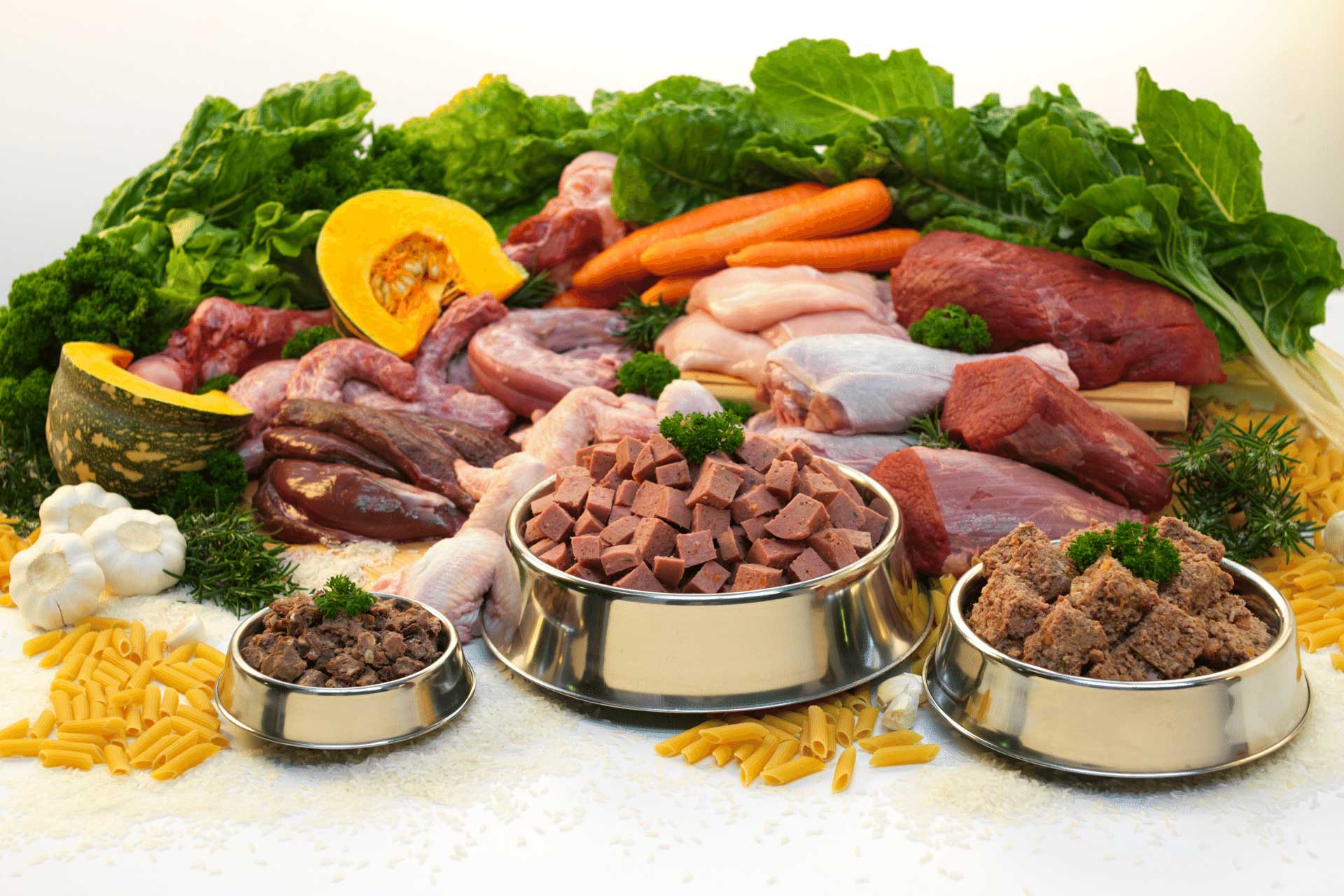
Choosing the right diet for your pet is an important decision, as it can significantly impact their health. In order to make an informed choice, you need to understand the different types of food available, how each type of food impacts your pet’s nutrition needs, and any special dietary requirements that may apply. Let’s take a look at the basics of pet nutrition and diet choices.
Types of Pet Food Available
When it comes to pet food, there are a few types to choose from including dry food, wet food, homemade diets, raw diets, and freeze-dried diets. Each type has its own advantages and disadvantages so it’s important to do some research before deciding what type is best for your pet. Here’s a brief overview of each option:
Dry Food
This type of pet food typically contains grains or plant proteins as well as animal-based proteins like fish or chicken. It also has added vitamins and minerals to help keep your pet healthy. Dry food is usually cheaper than other types of pet food but it can be difficult to digest for some pets.
Wet Food
Wet foods are usually higher in fat and protein than dry foods but they also contain less carbohydrates which makes them easier to digest for some pets. Wet foods come in cans or pouches and can be mixed with dry food or served on their own. They are also more expensive than dry foods but they can be more flavorful for picky eaters.
Homemade Diets
These diets consist of human-grade ingredients that you prepare yourself at home using recipes specifically designed for pets. Homemade diets can provide your pet with fresh ingredients that have not been processed or preserved which makes them very nutritious. However, these diets require careful planning since you need to ensure that all the nutrients your pet needs are included in the meals you prepare.
Raw Diets
Raw diets consist of uncooked meats such as beef, poultry, fish, eggs and organs plus vegetables like carrots and apples along with supplements like calcium carbonate or kelp powder if needed. Raw diets provide many nutritional benefits such as improved digestion but they can also carry a risk of bacterial contamination so they should only be fed under veterinary supervision if possible.
Freeze-dried Diets
Freeze-dried foods are similar to raw diets except that they have been freeze-dried instead of being cooked which helps preserve the nutritional value while eliminating any potential bacterial contaminants. Freeze-dried foods are convenient because they don’t require refrigeration and they come in a variety of flavors which makes them appealing to picky eaters. However, these foods tend to be more expensive than other types due to their convenience factor.
The key when selecting the right diet for your pet is understanding their unique nutritional needs based on age, breed and activity level; researching the various types of food available; weighing up the pros and cons; understanding any special dietary requirements; considering cost; consulting with a veterinarian if necessary; then making an informed decision about what type is best for your beloved companion! With this guide in hand , you will now have all the knowledge you need to choose the perfect diet for your furry friend!